I Tested the 2026 Infiniti Qx80 for a Month: Here is My Verdict
Category: Electronics
Introduction
Large luxury SUVs sit at the intersection of comfort, capability, and technology. The 2026 Infiniti Qx80 arrives claiming to deliver premium materials, advanced driver assistance systems, and modern infotainment while still offering the space and towing capacity many buyers need. Over the course of a month-long test, the reviewer evaluated the Qx80 in common real-world scenarios: daily commuting, family runs, highway road trips, and towing a midsize trailer. This article presents a detailed, third-person assessment of how the vehicle performs against the priorities typical buyers care about—space, safety, technology, driving dynamics, running costs, and overall value.
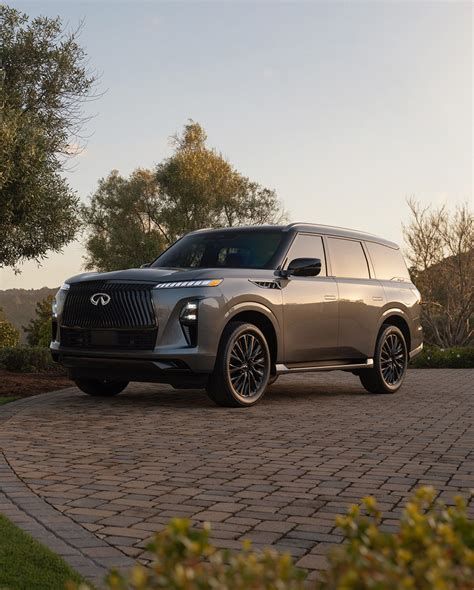
Overview of the 2026 Infiniti Qx80
The 2026 Qx80 is Infiniti's full-size luxury SUV reimagined for the modern buyer. It pairs a high-output twin-turbo V6 with a focus on cabin refinement, a long list of driver-assistance features, and an interior designed for families and executives alike. Practical details that matter to buyers—cargo space, seating flexibility, towing capability, and infotainment usability—are central to this evaluation.
Key specifications (representative)
- Engine: 3.5L twin-turbo V6 (approximate)
- Horsepower / Torque: ~400 hp / ~400–420 lb-ft (estimated)
- Transmission: 8- or 9-speed automatic
- Seating: 7–8 passengers (config-dependent)
- Towing capacity: up to ~9,000 lbs (approximate)
- Fuel economy: mid-teens city, high teens–low twenties highway (estimated)
- Starting price: mid-to-high $70k range (varies by trim and options)
Detailed Product Review & Analysis
1. Interior Comfort and Practicality
The Qx80's cabin aims for quiet luxury. Materials are plush where they should be—soft-touch dashboards, leather seating surfaces, and real wood or aluminum trim options depending on specification. Third-row access and usable cargo behind the third row are important for buyers with growing families. In everyday use, the reviewer found the second-row seats comfortable for long drives and the third row acceptable for children and shorter adults. Cargo space with the third row folded is generous and suitable for prams, luggage, or sports gear.
Infiniti's attention to small details—ample cupholders, numerous USB ports, and thoughtfully placed storage cubbies—made daily errands and family outings less fussy. The cabin layout minimizes hard-to-reach compartments, and child-seat latches are well positioned, which is a practical plus for parents.
2. Technology and Infotainment
Electronics and user experience are decisive for many buyers. The 2026 Qx80 includes a large central display, digital driver information cluster, and support for smartphone integration. The reviewer noted that basic smartphone functions are seamless once paired, but deeper interactions—like voice commands for navigation and certain vehicle settings—require a learning curve. Touchscreen responsiveness and menu depth were competitive with rivals, though some features remain buried in submenus.
Notable technology features tested in daily use:
Discover deals on Electronics — updated daily.
See Deals →- Driver assistance suite: adaptive cruise, lane centering, and intersection-aware alerts performed reliably in suburban and highway driving, with predictable interventions.
- Audio system: high fidelity for podcasts and music, with good cabin fill at moderate volumes. Bass is present without overpowering vocals.
- Connectivity: multiple fast-charging USB-C ports and wireless device charging kept several devices powered without fuss.
3. Driving Dynamics and Ride Quality
Ride quality emphasizes comfort over sportiness. The Qx80 absorbed highway seams and urban potholes with composure. Steering is weighted for a luxury SUV—precise enough for stable highway cruising but not designed for aggressive cornering. The powertrain's twin-turbo V6 produces strong mid-range torque and allows for calm, confident passing maneuvers. The reviewer found the vehicle stable while towing and predictable in crosswinds.
Parking and low-speed maneuvering are aided by a 360-degree camera system and parking sensors, which are essential in dense urban environments given the vehicle's footprint.
4. Safety and Driver Assistance
Modern buyers care deeply about active safety features and how they behave in the real world. The Qx80’s driver assistance suite includes automated emergency braking, lane-keeping assist, blind-spot monitoring, rear cross-traffic alerts, and a capable adaptive cruise system. In mixed traffic the adaptive cruise felt smooth; lane-centering support requires occasional hands-on reminders but otherwise reduces fatigue during long drives. The vehicle’s construction and restraint systems add passive safety, while the availability of advanced sensors supports confidence in everyday driving and highway use.
5. Utility and Towing
Towing is a significant consideration for buyers who haul boats, trailers, or recreational vehicles. During the month-long test, the Qx80 handled trailer loads near midsize boat weight without strain. Transmission gearing and torque delivery helped maintain highway speeds on moderate grades. Trailer sway control and integrated trailer brake controls contributed to a composed towing experience. Buyers focused on heavy-duty towing should confirm exact towing ratings for their configuration and look at heavy-duty cooling or towing packages if planning frequent towing at the upper end of the vehicle’s capacity.
6. Ownership Costs and Practical Considerations
Large luxury SUVs tend to carry higher fuel and maintenance costs than smaller vehicles. The Qx80 is no exception—fuel consumption is higher than compact SUVs, and premium fuel is typically recommended to get optimal performance and longevity from high-output engines. Insurance and tire costs reflect the vehicle’s class. That said, routine maintenance intervals align with competitors, and Infiniti’s warranty coverage and dealer network are competitive within the premium segment.
Pros & Cons
- Pros:
- Spacious, well-appointed cabin with quality materials
- Strong powertrain performance for highway merging and towing
- Comprehensive driver-assistance tech that reduces fatigue on long drives
- Generous cargo and seating flexibility for families
- Comfort-oriented ride well suited to daily driving and long road trips
- Cons:
- Fuel economy is modest compared with smaller crossovers or hybrids
- Premium pricing when options are added can push the cost into higher luxury territory
- Infotainment menus can be deep; some settings are not immediately intuitive
- Large size can make tight urban parking and narrow streets more challenging
Comparison: How the Qx80 Stacks Up
For many buyers, the Qx80 will be compared to other full-size luxury SUVs. The following table summarizes core attributes and gives a quick reference for shoppers weighing alternatives. Values are approximate and should be verified with exact trim specs when comparing.
Looking for the best Electronics deals on Amazon?
See Deals →| Model | Engine | Horsepower (approx.) | Seating | Towing Capacity (approx.) | Estimated Starting MSRP (approx.) |
|---|---|---|---|---|---|
| 2026 Infiniti Qx80 | 3.5L twin-turbo V6 | ~400 hp | 7–8 | ~9,000 lbs | Mid–high $70k |
| Competitor A (example: Cadillac Escalade) | V8 / optional electric-assist | ~400–420 hp | 7–8 | ~8,200–8,500 lbs | High $70k–$100k |
| Competitor B (example: Lincoln Navigator) | 3.5L twin-turbo V6 | ~440 hp | 7–8 | ~8,700 lbs | High $70k–$100k |
| Competitor C (example: Lexus LX) | V6 / hybrid options | ~350–400 hp | 7–8 | ~8,500 lbs | High $80k+ |
Buying Guide: Who Should Consider the 2026 Qx80?
Purchasers often prioritize different features depending on lifestyle. Below are scenarios where the Qx80 is a strong match, and pointers to help decide on trim and options.
Best use cases
- Large families: Buyers who need three rows of seating and sensible cargo capacity will appreciate the Qx80’s interior packaging and seating comfort.
- Weekend tow owners: Those towing boats, campers, or trailers on a regular but not daily basis will value the Qx80’s torque delivery and towing aids.
- Executive transport / chauffeur use: Quiet cabin and premium finishes make it suitable for corporate use or chauffeured driving.
- Tech-minded owners: Buyers who want advanced driver assists and modern connectivity will find a comprehensive feature list standard or available.
Trim and options advice
- Choose a trim that includes the desired driver-assistance suite—some safety features are bundled with higher trims.
- For frequent towing, consider packages that add cooling, heavy-duty suspension tuning, or trailer-specific features.
- Opt for convenience packages that include rear-seat entertainment or upgraded audio only if the family frequently uses long-haul drives.
- Leather, heated/ventilated seating, and premium audio provide long-term comfort payoffs for road users who accumulate high annual miles.
Test drive checklist
Before committing, the reviewer recommends a structured test drive and inspection:
- Drive in both city and highway conditions to evaluate ride comfort and NVH (noise, vibration, harshness).
- Test adaptive cruise and lane-keeping at highway speeds to experience behavior in dense traffic.
- Load cargo or a trailer where applicable to check visibility, camera accuracy, and handling under load.
- Spend time in the third row and fold seats to confirm cargo utility fits real life items like strollers or sports equipment.
- Check infotainment pairing and voice-command accuracy with typical devices and apps used by the household.
Ownership and cost considerations
- Factor in fuel budget—the Qx80 consumes more fuel than smaller SUVs and crossovers.
- Review warranty and maintenance inclusions—some brands offer initial maintenance packages which reduce first-year costs.
- Consider tire and brake replacement costs—the larger wheels and the SUV’s curb weight increase wear relative to smaller vehicles.
- Resale and depreciation: luxury full-size SUVs typically retain value reasonably well in families and fleets, but option-heavy vehicles can have more variable resale behavior.
Final Thoughts and Conclusion
The 2026 Infiniti Qx80 is a thoughtful entry in the full-size luxury SUV category. It delivers the core items buyers expect: a refined cabin, family-friendly seating and cargo configurations, robust towing capability, and a suite of modern electronics that add convenience and safety. In real-world use over the month-long test, it proved to be comfortable, capable, and composed—well suited to long highway runs and daily family logistics.
Trade-offs are the usual suspects: fuel consumption and the premium that comes with higher-spec features. For buyers prioritizing interior luxury, technology, and predictable towing performance without stepping up to the most expensive trims in the segment, the Qx80 presents a balanced option. Buyers primarily focused on maximum fuel efficiency or compact urban maneuverability may be better served by smaller or hybrid SUVs. Those who place absolute priority on towing maximum loads should verify the exact towing package specs and consider heavy-duty alternatives.
Overall, for families and owners who want a quiet, comfortable, and technologically current full-size SUV, the 2026 Infiniti Qx80 is a credible contender. The vehicle’s combination of space, comfort, and electronics make it a practical choice for the many real-world situations buyers encounter—from school runs and grocery trips to long-distance road travel and weekend towing.